

Adam Rosen - Lead financial writer
If Malaysian crypto traders want to trade Malaysian crypto, Malaysian crypto traders should use a regulated Malaysian cryptocurrency broker. There are a few things Malaysian crypto traders should look for in a regulated Malaysian cryptocurrency broker. These crypto brokers in Malaysia have the necessary tools to make the trading process easier for you. For example, Malaysian crypto traders should make sure the crypto broker broker is registered to offer Malaysian traders cryptocurrency trading in Malaysia. If the broker is, Malaysian crypto traders can be assured that it has been properly licensed and regulated.
When Malaysian crypto traders open an account with a regulated Malaysian crypto broker, Malaysian crypto traders need to provide your first and last name, email address, and chosen password. Other information that is required is your Malaysian ID and date of birth. It is also necessary to have a Malaysian government-issued ID and proof of residency to open an account.
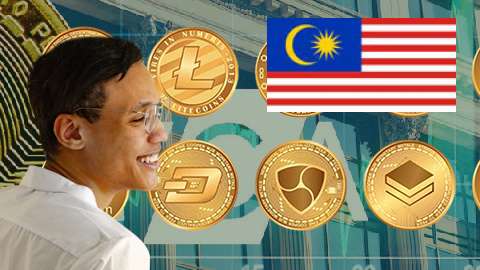
It is very important to choose the best regulated Malaysian cryptocurrency broker before investing your money in this form of currency. Not all brokers are the same, so Malaysian crypto traders will need to do your research before deciding on a platform in Malaysia. These Malaysian crypto brokers will offer Malaysian crypto traders a range of features, including risk warnings, 2-factor authentication, and thorough verification processes. Your security is your highest priority, and Malaysian crypto traders don't want to be a victim of Malaysian cryptocurrency theft.
While the benefits of using a Malaysia regulated broker are many, choosing one that is governed by the Malaysian Stock Exchange in Malaysia is a must. However, if Malaysian crypto traders are a Malaysian resident, Malaysian crypto traders can make use of the best regulated Malaysian cryptocurrency brokers available in Malaysia. In addition, Malaysian crypto traders will find many options for trading Malaysian crypto currencies. A regulated Malaysian cryptocurrency broker will provide a secure and safe trading environment.
While Malaysian cryptocurrency has long been a speculative investment, the government in Malaysia are grappling with how to regulate it. While many countries have taken different approaches to regulate it, Malaysia is to formulate a comprehensive regulatory framework. Malaysian cryptocurrencies are still classified differently around the world and subject to different tax laws.
Although Malaysia government's financial regulators continue to discuss the regulation of Malaysian cryptocurrency, there are several key issues to keep in mind. First of all, the Malaysian financial regulators recently announced that Malaysian cryptocurrency derivatives are financial instruments. They must comply with Malaysian government regulations. As a result, a large number of Malaysia companies are now offering Malaysian cryptocurrency as a product. In addition, Malaysia banks are now allowed to provide custody services for their customers in Malaysia.
As Malaysia explore the potential impact of Malaysian cryptocurrency, they are considering legislation that includes regulatory sandboxes for Malaysian traders. Regulatory sandboxes in Malaysia are special programs created by regulators to test the impacts of Malaysian digital assets, without changing existing legislation and regulations in Malaysia. As such, it is crucial to monitor the legislative and agency developments related to Malaysian virtual currency. As these new forms of currency continue to grow in Malaysia, lawmakers must consider their impact on the regulated crypto industries for retail crypto traders in Malaysia in order to better design Malaysia regulations that protect consumers and foster innovation.
As a digital asset, Malaysian cryptocurrencies and other digital assets have significant implications for Malaysian consumers, businesses, and Malaysian investors. Besides protecting Malaysian investors and consumers, these crypto assets also pose risks to Malaysia national security, human rights, and the environment. Moreover, they are a source of illicit finance and money laundering in Malaysia. Additionally, the emergence of digital assets in the Malaysian financial system will also increase the risk of energy consumption.
The Financial Action Task Force is expected to add more recommendations on Malaysian cryptocurrency regulation and non-FIAT currencies. In addition, major governments have taken different approaches in regulating the new technology. While Malaysia governments around the world are working to develop Malaysian cryptocurrency regulations, the current regulatory landscape is constantly changing. In the meantime, slow governments may find it difficult to make quick decisions. But there are a growing number of countries that are working on Malaysian cryptocurrency regulation, and the pace is increasing.
Financial regulators in Malaysia, should bring digital assets and market participants under the securities laws. This way, Malaysian investors could sue them under securities laws. The new rules would require certain disclosures and accounting practices, and Malaysian investors would be protected under the Securities Malaysian investor Protection Corporation's insurance policy. Moreover, it would require market access to regulated exchanges. That would help protect Malaysian investors from fraudulent companies. And despite all of the changes, the Malaysian government still has a few things to do to prevent Malaysian crypto fraud and other abuses.
Despite the recent regulatory changes in Malaysia, there is no uniform definition for Malaysian cryptocurrency. It is known by different names, including digital assets and virtual currency. Although some jurisdictions have attempted to define Malaysian cryptocurrencies as an asset class, most have chosen to have a broader definition that is better suited to regulate the Malaysian crypto industry as it evolves. It is essential for anyone with a business in the Malaysian cryptocurrency space to be aware of these changes.
Malaysian regulator rules apply to Malaysian crypto investments. The Malaysian regulators have an office dedicated to the regulating financial instruments like crypto, monitoring the industry's development and overseeing ICO's and Malaysian cryptocurrency. The Malaysian government has also been ahead of the curve when it comes to third-party oversight of Malaysian cryptocurrencies. The Malaysian also imposes requirements on crypto broker-dealers in Malaysia, which must be registered with Malaysia regulators.
The even new Malaysia traders understand the process of creating a digital asset is based on blockchain technology. A blockchain is a database where all the data from a particular crypto transaction is stored. If one data block is changed, it will not be reflected in other copies of the blockchain. The blockchain comprises of users from all over the world not just Malaysia. This prevents fraud because anyone copying the blockchain can easily tell when a change is made. Bitcoin is a popular Malaysia example of a Malaysian cryptocurrency with high trading volume in Malaysia.
While it may be confusing to first time crypto holders in Malaysia, Malaysian cryptocurrency is an internet-based digital currency. It has no physical form and instead exists in a database on a server. The database, or blockchain, keeps track of the Malaysian and transactions from all over the world and who owns what. It is entirely decentralized, meaning that no central authority controls it in Malaysia.
Listed below are some tips for protecting your Malaysian digital investment. Before Malaysian crypto traders invest any money in Malaysia digital assets, it is important to understand their value. Many Malaysia crypto owners don't realize the digital assets they have.
Malaysian cryptocurrency exchanges offer a convenient way to diversify your wealth in Malaysia, but be sure to use reputable Malaysian crypto news sites. A trusted Malaysian cryptocurrency exchange will help Malaysian crypto traders protect your investments. Once Malaysian crypto traders have a Malaysian crypto-exchange account, Malaysian crypto traders will need to store your digital assets in it. To ensure safety and security, it is vital to keep private crypto keys separate from your Malaysian crypto-storage devices. Seed phrases are often used to obtain keys. To ensure crypto security in Malaysia, keep your keys offline, and change your passwords often.
In addition to creating trust, Malaysian cryptocurrency regulation will also protect Malaysian investors from being taken advantage of by a large number of bad actors. While some argue that regulation will only negatively impact Malaysian cryptocurrency prices in the short term, other experts believe that it can actually help the Malaysian crypto industry. By adding a level of Malaysian investor protection, Malaysian cryptocurrency regulation will encourage more trust and investment.
While Malaysian cryptocurrency is an innovative financial system, it has also been plagued with Malaysia and international crypto scams. Regulation could help reduce these problems, while promoting public education on the Malaysian cryptocurrency market. Furthermore, it will make the Malaysian cryptocurrency industry less risky and increase understanding. And with Malaysia crypto regulation comes greater transparency. Regulatory monitoring in Malaysia will help prevent illegal activities and keep crypto prices stable.
The Malaysian cryptocurrency industry sees impending regulatory action as the death knell of the industry, but the benefits of regulating the Malaysian cryptocurrency market are significant. For starters, the regulation will increase Malaysian investor protections, decrease market manipulation, and promote financial privacy for crypto users in Malaysia.
Regulation of Malaysian cryptocurrency should be based on a clear set of regulatory goals. These goals are similar to those of regulation for other financial assets and services. They include protecting Malaysian investors and consumers from fraud, and ensuring the integrity of markets and payment systems. While regulating Malaysian cryptocurrency will require a comprehensive framework, some participants say that it will help promote broader adoption.
The Malaysian financial regulators is the appropriate authority to regulate digital crypto assets in Malaysia. In fact, it can regulate Malaysia brokers, exchanges, and dealers of the digital asset. By doing so, it will improve the climate footprint of Malaysian digital assets and prevent tax evasion and money laundering in Malaysia. Regulating Malaysian cryptocurrency would also protect Malaysian investors from fraudulent activities. Further, Malaysian regulators can use existing statutory authority to enforce their rules. The benefits of regulation in Malaysia will be many.
Increasing the regulatory burden for Malaysian cryptocurrency markets would stifle innovation for traders in Malaysia, hurt trading volumes, and limit innovation in the growing Malaysian crypto industry. At the same time, it could push some crytpo industry participants in Malaysia to other jurisdictions that impose less stringent regulations than Malaysia. While these concerns are valid, increased regulation for Malaysian crypto traders could also be good for the industry, purging bad actors and helping it grow. For now, more attention is needed to determine the best regulatory framework for the Malaysian crypto industry.
While Malaysian cryptocurrency markets are often thought to operate outside of national regulations in Malaysia, their prices respond to news of regulatory actions. News events relating to the general ban of Malaysian cryptocurrencies, regulation as securities and combating money laundering have the most detrimental effect on market valuations. Similarly, news related to restricting interoperability between regulated markets and Malaysian cryptocurrencies is often correlated with strong crypto market gains in Malaysia. While there are several drawbacks to regulation, this is one of the most important reasons why Malaysian cryptocurrencies should be regulated.
Regulators in Malaysia have warned that a large number of blockchain tokens are actually investment securities, and they have been pursuing many of the Malaysian crypto issuers. While many of these cases have ended in settlements, the introduction of Malaysian regulators into the Malaysian cryptocurrency market will have a profound impact on the trading markets.
Moreover, a lack of global coordination could make Malaysian cryptocurrency trading a fad that Malaysian investors are ready to abandon. While there is no evidence of any such widespread regulation, Malaysia like most governments will attempt to ensure that it remains an investment dalliance. This would mean a world currency driven by speculation and manipulation in Malaysia.
Although Malaysian cryptocurrency remains largely unregulated in Malaysia, further legislation will help ease regulatory and Malaysian investor concerns. Because of the decentralized nature of most Malaysian cryptocurrencies, they are not connected to governments or conventional financial systems. As such, coordination between international authorities and Malaysian lawmakers will be essential. The Malaysian tax authorities has also staked its claim to oversee the Malaysian cryptospace. While it is unclear how the government will regulate this new financial technology, Malaysian crypto Malaysian investors must pay taxes on capital gains and profits when they make money.
As Malaysian cryptocurrency and blockchain technology gain mainstream acceptance, the role of government in Malaysia crypto regulation continues to be debated. While clear Malaysian crypto regulations are in the making, many Malaysian investors are still left wondering what the future holds. In the meantime, thousands of new tokens, companies and platforms have sprung up in Malaysia and the industry is left guessing. Ultimately, it is up to the Malaysian investors to decide what's best for them.
To regulate Malaysian cryptocurrency, governments must first understand how it works and why it has been so popular for 10 years. Despite the many misconceptions about Malaysian cryptocurrencies trading, each country understands them differently. Some countries ban crypto completely, while others allow the use of digital currency without any restrictions to Malaysian residents with little regulation. Regulating Malaysian cryptocurrency is a great first step towards ensuring its safety, but there are still many unknowns about it.
The first major concern with Malaysian cryptocurrency regulation is that Malaysian consumers are not accountable for their actions. Because Malaysian cryptocurrency is a decentralized system, consumers in Malaysia use it at their own risk. In addition, Malaysian crypto consumers are not able to complain about their account being hacked.
Increasing regulation could have a significant impact on Malaysian cryptocurrency, particularly if it enables better investment decisions for crypto traders in Malaysia and lowers the costs for those who are unaware of the risks. Regulatory oversight would also make it easier for individuals to purchase and trade digital assets from Malaysia.
For starters, greater regulation could increase Malaysian investor confidence, especially among institutional Malaysian investors. Without regulation, institutional Malaysian investors would be less likely to invest in the digital currency because they would have to adhere to strict Malaysia compliance regulations, which could lead to criminal prosecution in Malaysia. Regulation would also help create clear guidelines for crypto users and Malaysian investors, which would reduce crypto market manipulation in Malaysia and increase the value and trading volumne of Malaysian cryptocurrencies.
The introduction of Malaysian cryptocurrency regulation would bring much-needed clarity into the virtual currency market. The introduction of regulations would improve the confidence of institutional Malaysian investors, as such Malaysian investors must adhere to strict compliance rules, or they may face criminal investigation. The adoption of crypto regulation in Malaysia would also bring clear guidelines for Malaysian crypto users and Malaysian investors, so that they can avoid making mistakes.
The current Malaysian cryptocurrency landscape has seen wild price fluctuations and regulatory efforts are underway to determine the best way to regulate and monitor the industry for Malaysia crypto traders. Regulators in Malaysia have differing views on how to classify Malaysian cryptocurrencies and determine how to regulate them. While some say they need to regulate the high risk cryptocurrency industry in Malaysia to protect Malaysian investors, others worry that regulation could stifle competition in the Malaysia financial services industries.
Can the government in Malaysia regulate Malaysian cryptocurrency? Yes. Its market value is approaching billions of MYR. Yet the governments of different countries including Malaysia have implied that they will allow the technology to grow. But until then, more regulation is needed for crypto related assets with high volatility available to trade in Malaysia.
In the short term, more regulations in Malaysia would impact the price of Malaysian Cryptos, but in the long run, Malaysian crypto regulation could boost them. There are concerns that heavy-handed regulation could hurt legitimate projects, but others argue that regulations should protect Malaysian investors. Malaysian cryptocurrency prices will fluctuate wildly depending on the type of regulation and the way it is applied. The regulatory approach should promote innovation and weed out bad actors.
While there has been little coordination among international bodies regarding Malaysian cryptocurrency regulation, many central banks have started including major goverment bodies in Malaysia have monitoring the industry and determining appropriate policies to protect Malaysian cryptocurrency investors. While many countries like Malaysia have implemented regulations, it is hard to tell whether they will have a long-term impact. After all, cryptocurrency trading in Malaysia is relatively new, and their prices have self-corrected. Moreover, the Malaysia government have a wide range of regulatory approaches to crypto in Malaysia, and it will be difficult to assess the effect of new Malaysian regulations on the Malaysian crypto market.

🤴 Used By: 23,200,000
⚡ Crypto Available: BTC, ETH, BCH, XRP, DASH, LTC, ETC, ADA, MIOTA, XLM and 27 more cryptocurrency.
📈 Traded Volume: 41,693,321
💵 Deposit Methods: Credit cards, VISA, MasterCard, Diners Club, Maestro, Debit Cards, Bank Transfer, PayPal, Neteller, Skrill, WebMoney, China UnionPay, Giropay, Electronic wallets (eWallets), Ethereum, Bitcoin, Bitcoin Cash, Dash, EOS, Ripple XRP, Litecoin, Zcash, Payoneer,
💰 Trading Fees: Fees vary. Overnight and weekend fees apply
💰 Withdrawal Fees: US$5 (minimum withdrawal of US$50)
💰 Deposit Fees: Fees vary (conversion fees for non-USD deposits)
Trading cryptocurrencies can be high risk. Losses may exceed deposits when trading CFDs.
🤴 Used By: 13,000,000
⚡ Crypto Available: BTC, ETH, BCH, XRP, DASH, LTC, ETC, ADA, MIOTA, XLM and 27 more cryptocurrency.
📈 Traded Volume: 42,043,394
💵 Deposit Methods: Credit cards, VISA, MasterCard, Diners Club, Maestro, Debit Cards, Bank Transfer, PayPal, Neteller, Skrill, WebMoney, China UnionPay, Giropay, Electronic wallets (eWallets), Ethereum, Bitcoin, Bitcoin Cash, Dash, EOS, Ripple XRP, Litecoin, Zcash, Payoneer,
💰 Trading Fees: Fees vary
💰 Withdrawal Fees: Fees vary
💰 Deposit Fees: Fees vary
Trading cryptocurrencies can be high risk. Losses may exceed deposits when trading CFDs.

🤴 Used By: 4,000,000
⚡ Crypto Available: BTC, ETH, ETC, XTZ, CLV, EOS, OMG, BNB, LTC, UNI and 820 more cryptocurrency.
📈 Traded Volume: 5,945,756,067
💵 Deposit Methods: Cryptocurrency
💰 Trading Fees: Maker: 0.20%
💰 Withdrawal Fees: Fees vary
💰 Deposit Fees: None
Trading cryptocurrencies can be high risk. Losses may exceed deposits when trading CFDs.

🤴 Used By: 1,000,000
⚡ Crypto Available: BTC and 1 more cryptocurrency.
📈 Traded Volume: 612,000,000
💵 Deposit Methods: Bank transfer (ACH)
💰 Trading Fees: None
💰 Withdrawal Fees: Fees vary
💰 Deposit Fees: Fees vary
Trading cryptocurrencies can be high risk. Losses may exceed deposits when trading CFDs.

🤴 Used By: 8,000,000
⚡ Crypto Available: BTC, ETH, XRP, BCH, EOS, LTC, ADA, XLM, TRX, NEO and 434 more cryptocurrency.
📈 Traded Volume: 110,957,137
💵 Deposit Methods: Cryptocurrency
💰 Trading Fees: 0.10%
💰 Withdrawal Fees: Fees vary
💰 Deposit Fees: None
Trading cryptocurrencies can be high risk. Losses may exceed deposits when trading CFDs.

🤴 Used By: 10,000,000
⚡ Crypto Available: BTC, BCH, ETH, XRP, LTC, BTG, DASH, ETC, EOS, QTUM and 320 more cryptocurrency.
📈 Traded Volume: 924,266
💵 Deposit Methods: Cryptocurrency
💰 Trading Fees: Maker: 0.2%
💰 Withdrawal Fees: None
💰 Deposit Fees: None
Trading cryptocurrencies can be high risk. Losses may exceed deposits when trading CFDs.
🤴 Used By: 73,000,000
⚡ Crypto Available: ATOM, BAT, BTC, BCH, XRP, DAI, DASH, EOS, ETH, ETC and 73 more cryptocurrency.
📈 Traded Volume: 7,622,846,254
💵 Deposit Methods: Bank transfer (ACH)
💰 Trading Fees: Fees vary
💰 Withdrawal Fees: Instant Card Withdrawal: Up to 2% of the transaction plus a minimum of 0.45
💰 Deposit Fees: Credit/debit card: 3.99%
Trading cryptocurrencies can be high risk. Losses may exceed deposits when trading CFDs.
🤴 Used By: 450,000
⚡ Crypto Available: BTC, ETH, XRP, EOS, LTC, XLM, USDT, OMG, ZRX, MKR and 42 more cryptocurrency.
📈 Traded Volume: 64,141,140
💵 Deposit Methods: Bank transfer
💰 Trading Fees: Maker: 0.05-0.15%
💰 Withdrawal Fees: Fees vary
💰 Deposit Fees: No Fees
Trading cryptocurrencies can be high risk. Losses may exceed deposits when trading CFDs.
🤴 Used By: 10,000,000
⚡ Crypto Available: BTC, ETH, USDT, XRP, ATOM, XTZ, XLM, LINK, CRO, BCH and 153 more cryptocurrency.
📈 Traded Volume: 2,630,000,000
💵 Deposit Methods: Credit card
💰 Trading Fees: Maker: 0.04-0.20%
💰 Withdrawal Fees: Cryptocurrency: Fees vary
💰 Deposit Fees: None
Trading cryptocurrencies can be high risk. Losses may exceed deposits when trading CFDs.
🤴 Used By: 2,300,000
⚡ Crypto Available: BTC, ETH, ETC, BCH, LTC, ADA, QTUM, XRP, XTZ, EOS and 10 more cryptocurrency.
📈 Traded Volume: 86,072,667,390
💵 Deposit Methods: Bank transfer (ACH)
💰 Trading Fees: 2.9-3.9% (depending on loyalty level)
💰 Withdrawal Fees: Fees vary
💰 Deposit Fees: Credit card: 5%
Trading cryptocurrencies can be high risk. Losses may exceed deposits when trading CFDs.
Read in depth Regulated Cryptocurrency Brokers in Malaysia related crypto broker reviews and related crypto services on the links below.
If you would like to see some Regulated Cryptocurrency Brokers in Malaysia related crypto exchanges and brokers compared against each other and their side by side crypto alternatives.